
Rethinking Sanitation Infrastructure Procurement: From Asset Delivery to Service Performance
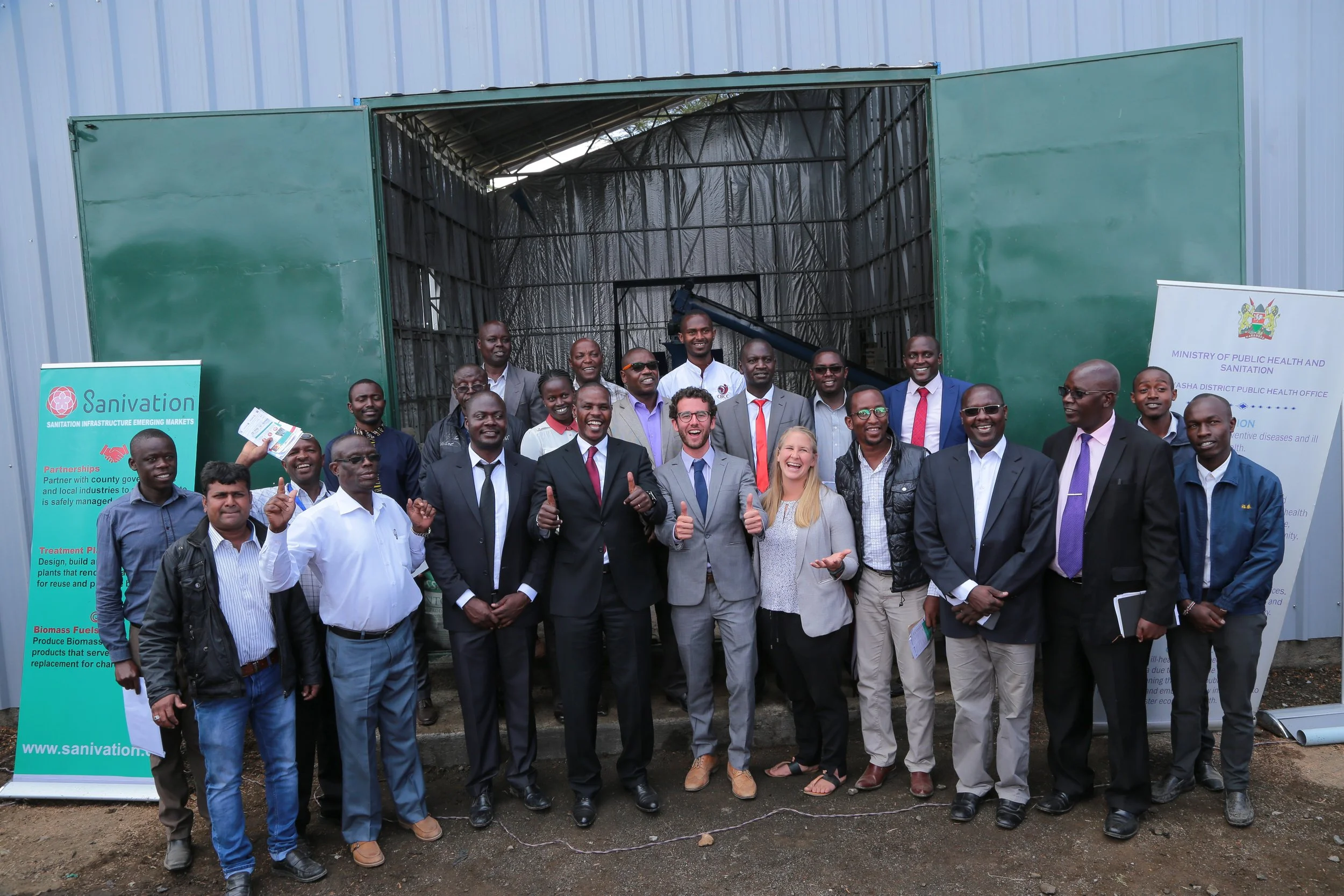
Sector partners aggregate to advance service delivery in Naivasha
Across Africa, governments and development partners have made significant investments in sanitation infrastructure. Yet in many cities, faecal sludge treatment plants (FSTPs) struggle to remain fully operational after commissioning. This is rarely the result of one failure. It reflects a combination of financing constraints, weak tariff systems, limited operational capacity, and institutional accountability gaps.
But procurement sits at the centre of this challenge, because it shapes the incentives, responsibilities, and accountability that determine whether infrastructure continues to deliver after commissioning. For decades, sanitation infrastructure has been procured using models designed to deliver assets, not outcomes. The result is a system that rewards construction completion but rarely guarantees what truly matters: that waste is safely treated over the long term.
As African cities urbanize rapidly and the pressure to meet Sustainable Development Goal 6.2 intensifies, the sanitation sector faces a defining question: how do we move from financing infrastructure to financing sustained sanitation service delivery?
The Hidden Flaw in Conventional Procurement
Most sanitation projects continue to follow traditional procurement structures such as Design-Bid-Build (DBB) or Design-Build (DB). These approaches are familiar to governments and development finance institutions because they fit within conventional public procurement systems. They are procedurally clear, legally established, and often easier to approve.
But they are misaligned with the realities of sanitation service delivery.
Under DBB, designers, contractors, and operators are often engaged through separate contracts. Once construction is complete, responsibility shifts to utilities or municipalities that may not have the financing, technical capacity, or incentives to sustain operations. When facilities underperform, accountability becomes fragmented. Operators may point to design flaws, contractors blame operational challenges, and governments are left carrying the long-term risk.
The result is a familiar sector challenge: Infrastructure may exist, but waste is not often consistently and safely treated.
This distinction matters. Sanitation is not only about building treatment plants; it is about continuously delivering public health and environmental outcomes. Procurement systems that prioritize infrastructure handover over operational performance cannot solve this challenge at scale.
Why Operational Sustainability Must Become the Procurement Objective
The sanitation sector has evolved, but procurement frameworks have not kept pace.
Today’s challenge is not only how to build more treatment facilities. It’s how to ensure that those facilities remain operational, financially viable, and adaptable over decades. That requires shifting from input-based procurement toward models that place greater emphasis on outcomes, performance, and lifecycle accountability.
Design-Build-Operate (DBO) models are one step in this direction. Annuity-Based Design, Finance, Build, Operate, and Maintain (ADFBOM) models go further by integrating long-term financing and service accountability.
Under DBO arrangements, private operators are responsible not only for design and construction, but also for operations tied to agreed performance standards. Payments can be tied to treatment outcomes, creating direct incentives to ensure waste is safely managed. This fundamentally changes the incentive structure: operational soundness becomes commercially incentivized, not just technically desirable.
However, DBO does not fully resolve one of the sectors biggest constraints — capital mobilization.
Governments and donors often remain responsible for upfront financing, limiting scalability in a sector already facing enormous funding gaps.
The Case for ADFBOM: Financing Sanitation as Infrastructure Services
In Annuity-based Design, Finance, Build, Operate and Maintain (ADFBOM) models, governments only pay for service outcomes: a treatment plant being available to treat waste to agreed standards. This is often called an availability payment. The up-front financing and responsibilities for long-term operation and maintenance are transferred to the private partner. Some stakeholders may also understand this as a concession-style model with availability or annuity payments linked to performance.
Under this structure, a private developer finances, designs, builds, operates, and maintains sanitation infrastructure over extended concession periods, while the Government makes regular annuity or availability payments linked to agreed outcomes - such as a waste treatment plant being available to treat waste to agreed standards.
This model matters for three reasons;
First, it transfers performance risk away from governments and onto entities best positioned to manage it. Developers are incentivized to optimize lifecycle performance because profitability depends on operational success, not construction completion.
Second, it unlocks private capital into a sector traditionally dependent on public budgets and donor grants. Annuity payments create predictable cash flows, improving project bankability and attracting long-term investors.
Third, it creates space for innovation. When developers are accountable for decades of operations rather than short-term construction, they have incentives to innovate around energy recovery, reuse products, digital monitoring, and operational efficiency.
In effect, ADFBOM transforms sanitation from a public expenditure burden into an investable infrastructure service.
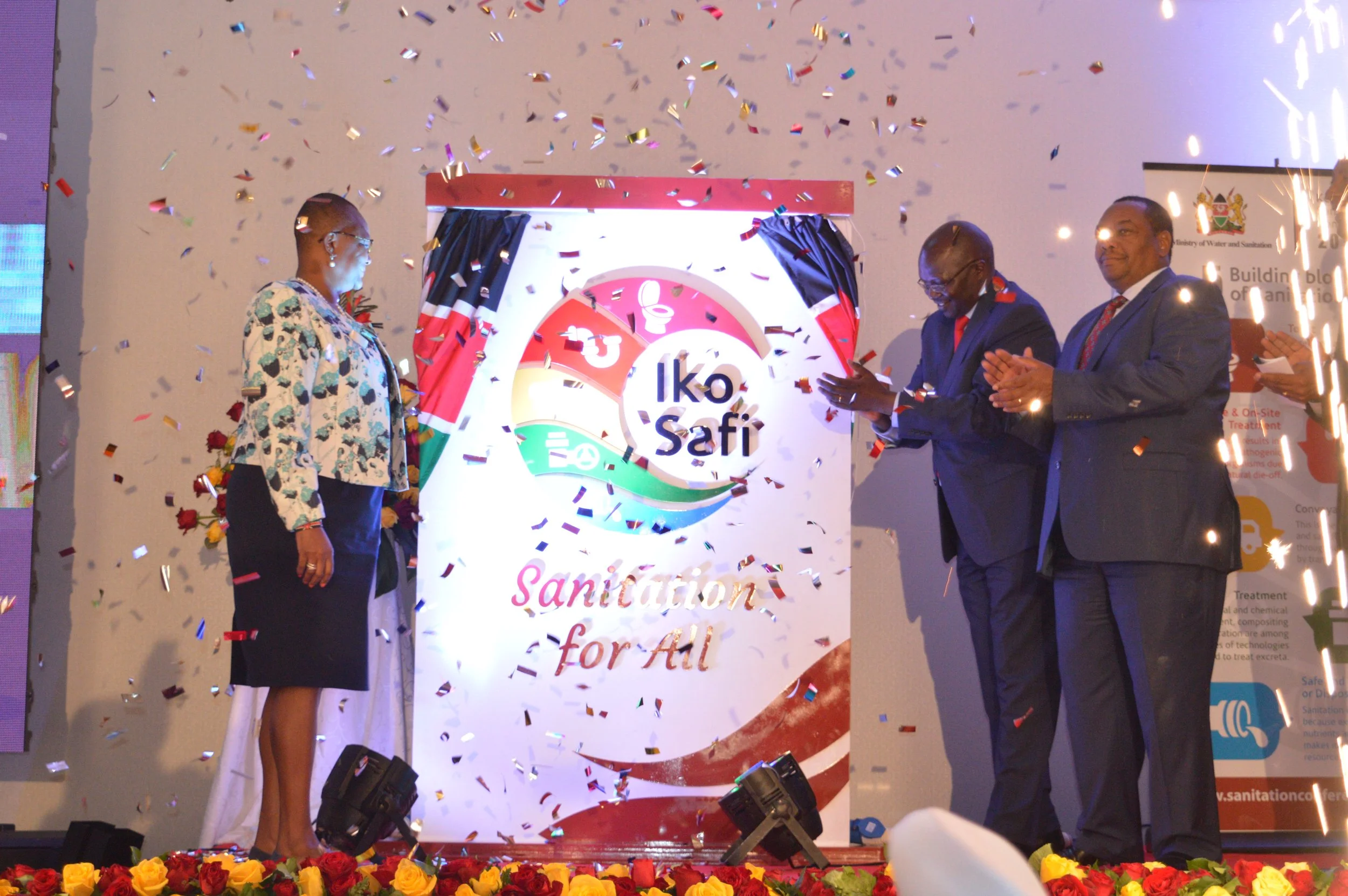
Advancing service delivery through Innovations towards SDG-6
The Institutional Challenge
The greatest barriers to adopting advanced procurement models are primarily institutional.
Many African governments already make long-term fiscal commitments through PPPs and other infrastructure programmes. The challenge is that outcome-based sanitation contracts and annuity-style payment mechanisms remain relatively new in the sector. This means governments, utilities, and development partners often have to navigate first-of-a-kind transactions, align them with existing PPP laws and procurement practices, and build confidence around how performance risk, payment obligations, and public accountability will be managed over time.
There is also understandable caution around private participation in essential public services, especially where tariff systems remain weak and affordability concerns are real. These concerns should not be dismissed. Public responsibility remains central to sanitation, particularly because it is a public health service with strong equity implications. And those equity concerns are best addressed by ensuring public funds pay for service delivery, and it can be done at scale.
Africa’s urban population is expected to double by 2050 (UN DESA). Without scalable sanitation financing and operational models, unsafe waste management will continue undermining public health, environmental resilience, and economic productivity. The sector cannot afford to be paying for infrastructure that underperforms or doesn’t deliver.
The Missing Middle Between Sanitation and Infrastructure Services
The sanitation sector is approaching an important inflection point. Incremental improvements to conventional procurement approaches may not be enough to deliver the scale and reliability of sanitation services that African cities need.
What is needed is a deliberate shift toward procurement and funding models that reward outcomes, crowd in private capital, and institutionalize long-term accountability for treatment performance.
The future of sanitation infrastructure will depend not only on who builds treatment plants, but on who is accountable for ensuring they continue working 10, 15, or 20 years later.
That is the shift the sector now needs to make: from procuring sanitation assets to paying for sanitation outcomes.
Original Article by: Andrew Foote
For more information about our work, reach out to: info@sanivation.com
